Listen and Bridge the Gap
Shiprock Chapter
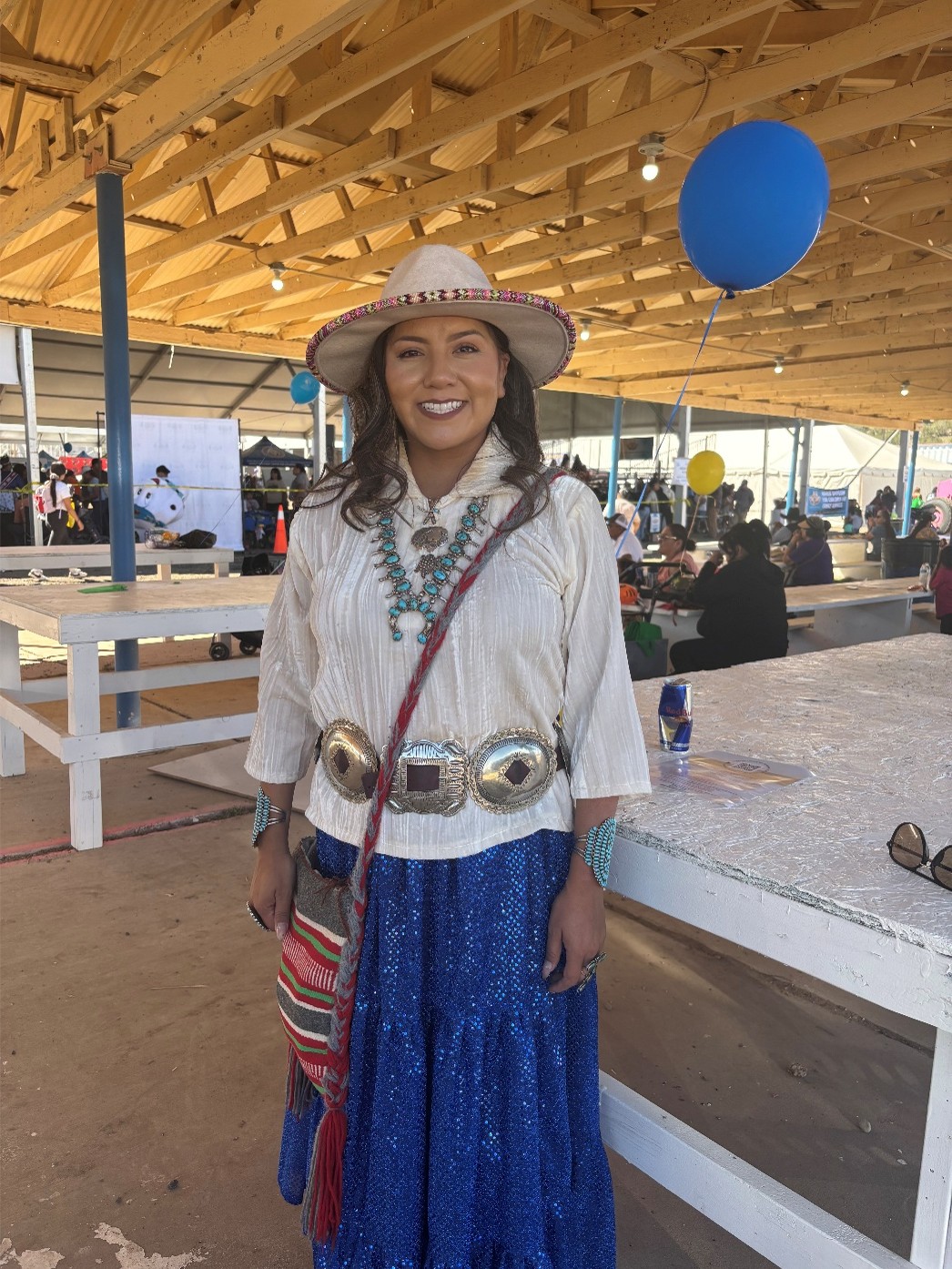
My name is Talibah Begay. I am a Native American performer, singer, and cultural consultant. For many years, I have been involved in my community and have advocated for our children. Through my work, I have learned how important it is for our young people to feel supported and to know that their culture and language are still here.
Being part of Youth Day is important to me because our children need that support and reassurance. I believe advocacy starts with our children. That is why it is important for cultural teachers, language speakers, and people who carry our culture to be present at events like this.
Our children need to see us. They need to feel recognized, acknowledged, and included. We do not always know what kind of home a child comes from or what they may be going through. Life happens, and some children may not always have the resources or support they need. Being here gives me an opportunity to be another resource for them and to show them that there are people in their community who care about them and their culture.
Youth Day should be a day for our children to simply be kids. It should be a time for them to be with their schools, families, and community, participate in the festivities, and enjoy themselves. Most importantly, I want every child to feel noticed and know that this day is for them.
One message I would give our young people is to listen. I would also encourage them to do things for themselves, become involved, and make sure their voices are heard.
Growing up, I was always told to speak up for myself. I did not realize how important that lesson was when I was younger, but as I became an adult, I understood how much it helped me. Learning to speak up for myself as a child helped me socially and gave me confidence in who I am.
I also encourage our young people to spend time with their grandparents.
I am someone who is all about elders. I love my grandparents, and I am very thankful that I still have my Másání, who is 99 years old, and I have my Shinálí Hosteen too.They are a huge part of who I am today.
I believe we need to bridge the gap between our youth and our elders because our elders are our knowledge keepers. In many ways, they are our history books. We have them here with us right now, so while we have them, we need to spend time with them.
Ask your grandparents questions. Ask them, “How was it then?” Ask them how they grew up and what was different between their lives and ours today. Ask questions, listen, and remember what they tell you.
In Diné culture, we carry these stories forward. The things our grandparents teach us are meant to continue through the generations. One day, we may be the ones telling those same stories to our grandchildren.
That is why I believe it is so important for our young people to learn the language, learn the culture, and learn who we are as Diné people. These things are part of our identity, and they are something we need to continue passing forward.
Supporting our youth means being there. It means being present, showing up, and speaking for them. I think a lot of our young people today are yearning for the culture and the language. They want that connection.
We are also living in a generation where technology is so advanced. My generation is trying to balance how we grew up with how children are growing up now. Things are changing, and we have to find new ways to make sure our children are included in our culture and language.
That inclusiveness is something we really need to emphasize. Our children need to feel included in these spaces. If they are not included, eventually those spaces may not continue with them.
Our grandparents and parents created spaces where our language and culture could be taught. Now, we have to make sure our children are part of those spaces. We need to continue building that connection between generations and creating opportunities for our young people to learn.
A lot of the things I was told growing up did not always make sense to me as a child. But as I have gotten older, I have started reflecting on the teachings and sayings of my elders. Now, I understand them differently. They resonate with me in ways they did not when I was younger.
So, to our children, I would say: listen.
Listen to your grandparents. Listen to your parents. Do not think that you know everything, because there is so much more to learn in life. Our elders have experienced things that we have not, and many times they are simply trying to prepare us for what is ahead.
We need to spend time with them while we still have them. We need to ask questions, listen to their stories, learn our language, and learn our culture.
For me, supporting our youth is about showing up for them and making sure they know that they belong. I want our children to know that their culture is still here, their language is important, and they have a place within their community.
Most importantly, I want them to listen to the people who came before them and carry those teachings forward.
– Talibah Begay, Shiprock Chapter, September 2026