Back-to-School Community Event – Tse Dáá K’áán Chapter
Tara Lynn Tsosie
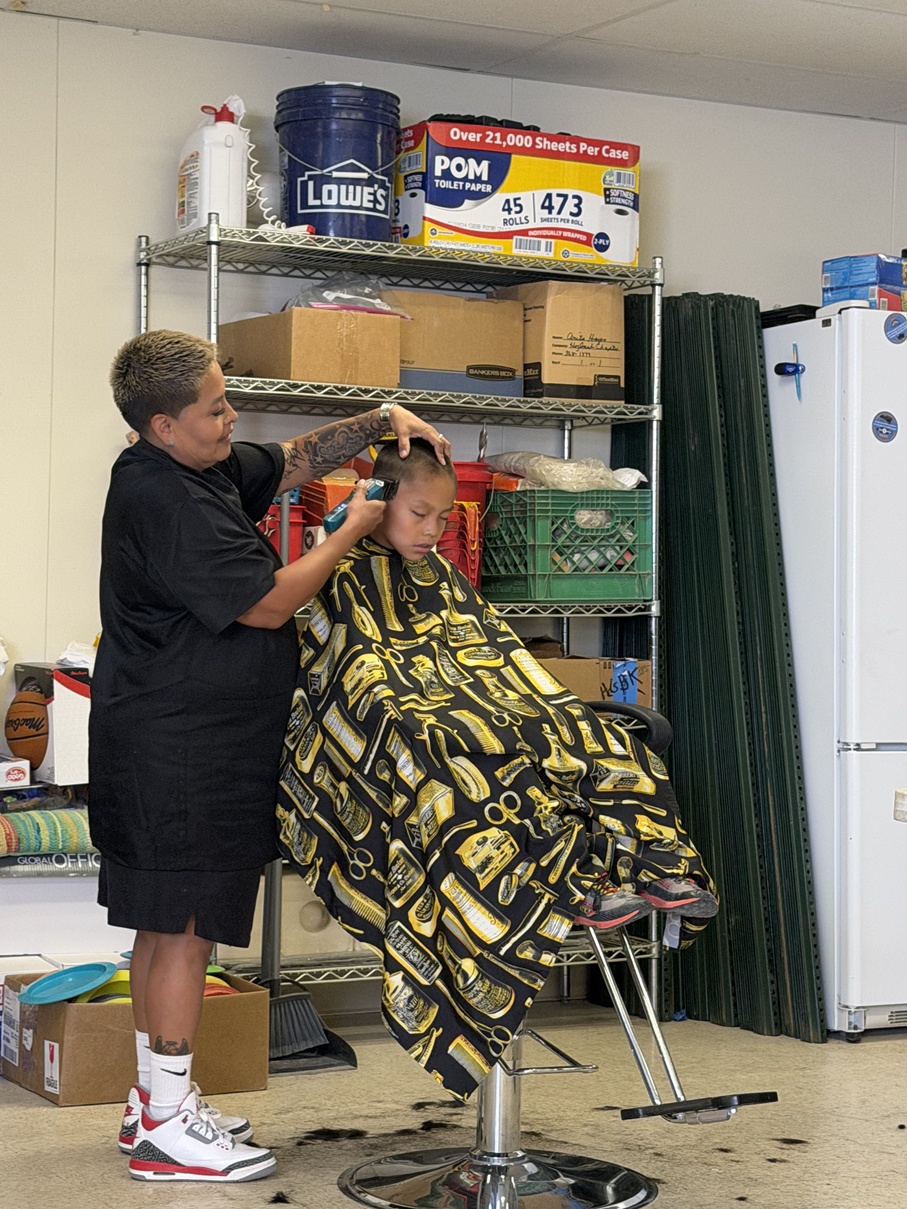
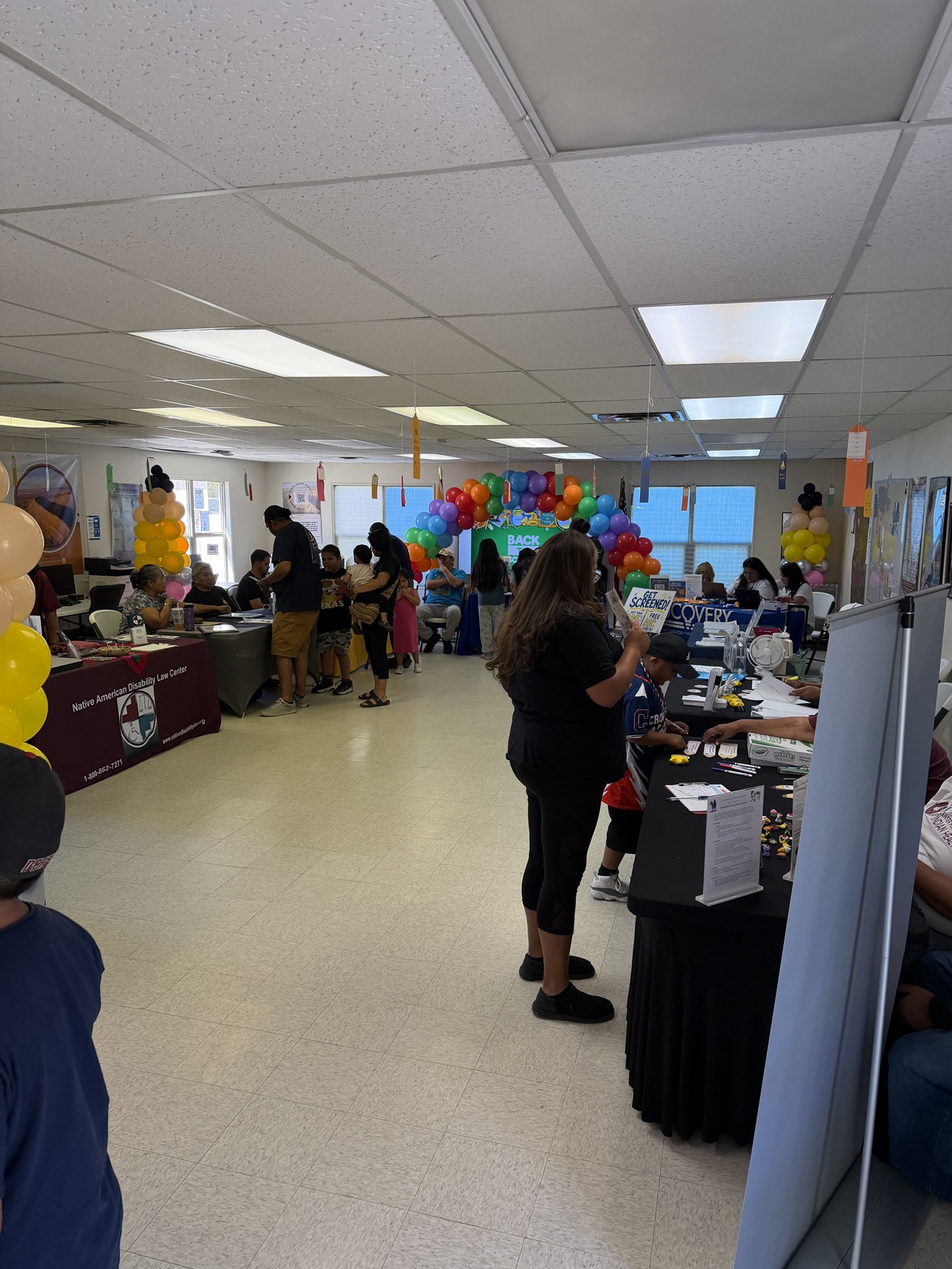
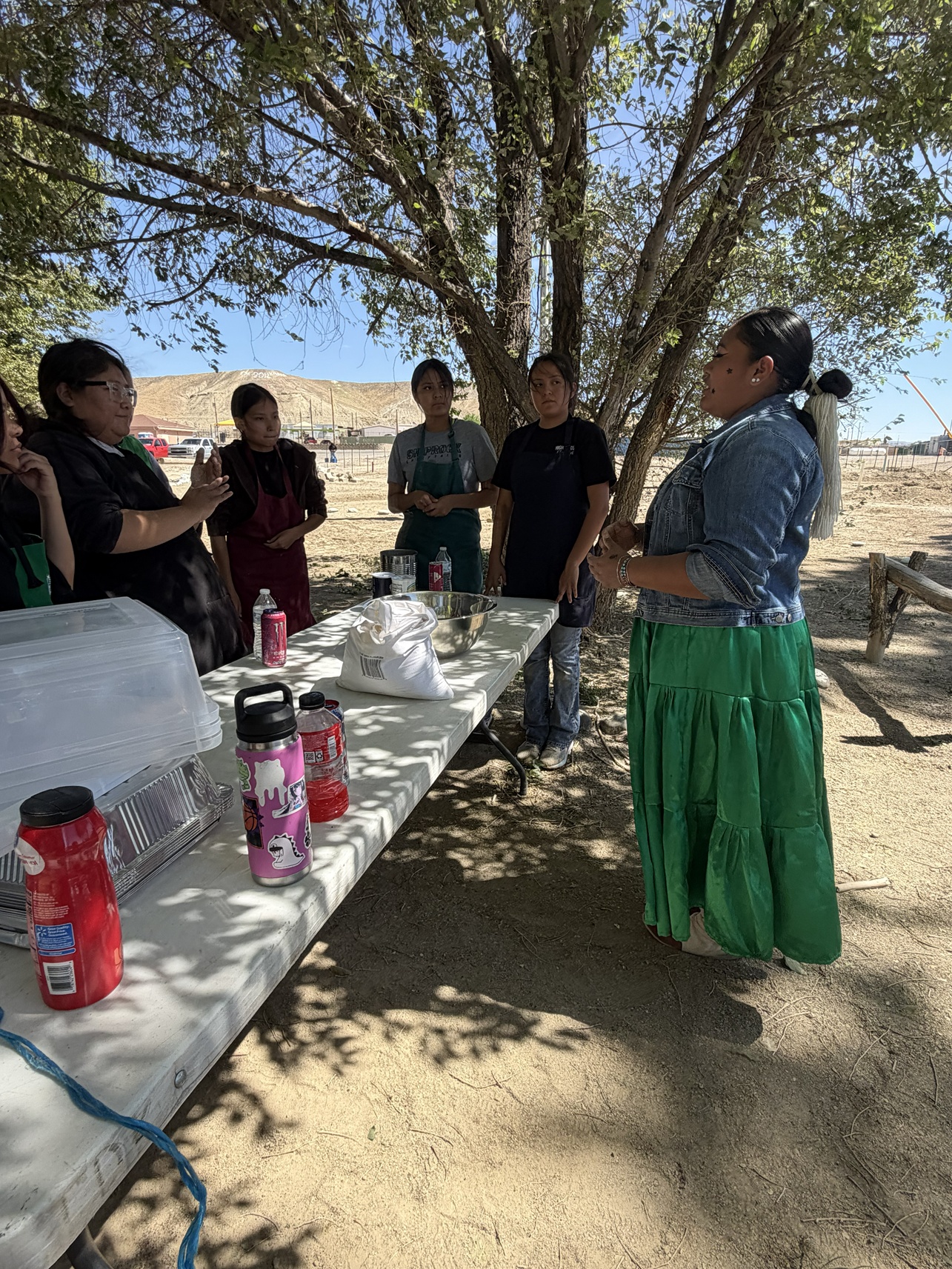
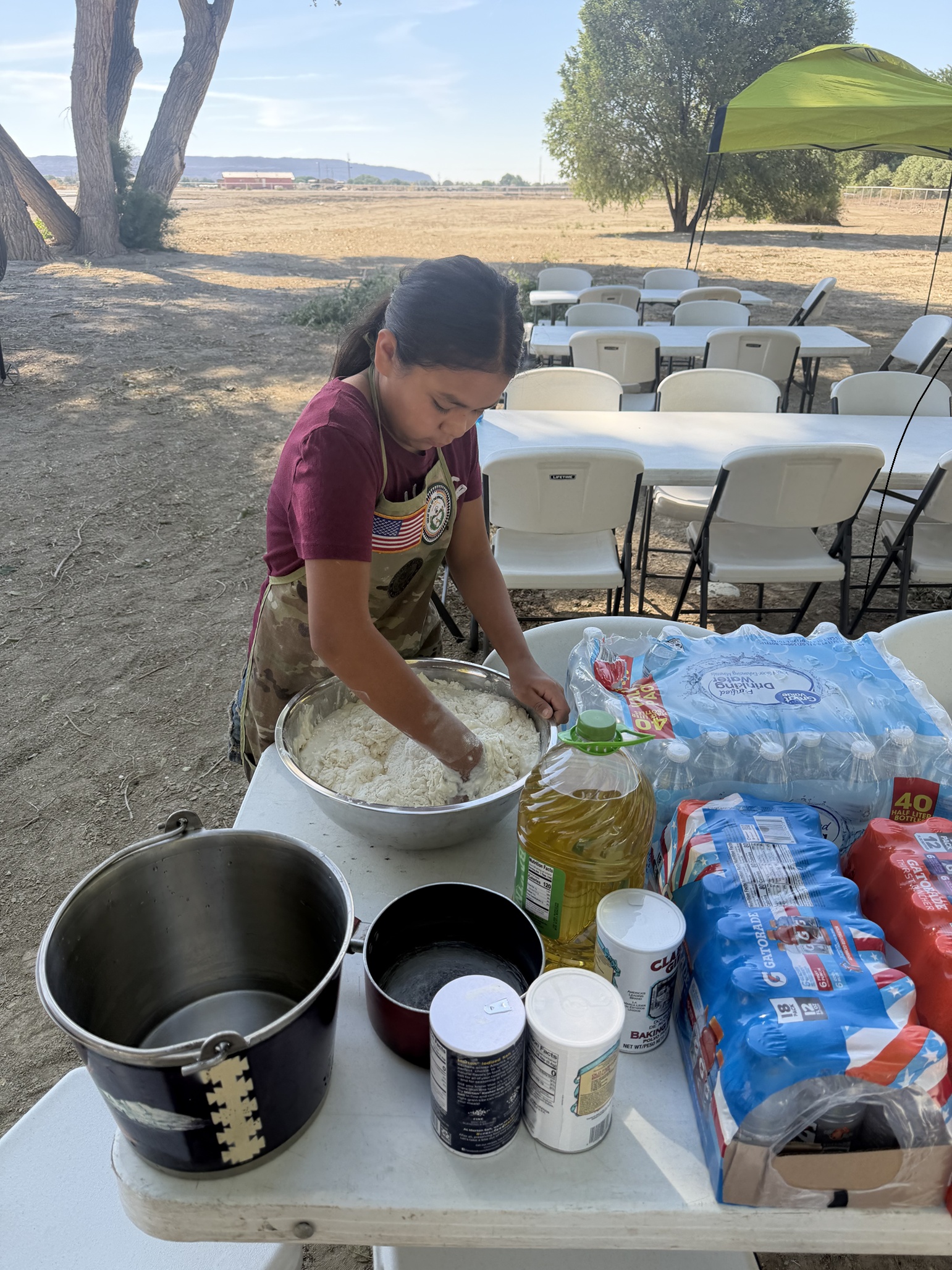
On July 31, 2026, I participated in a Back-to-School Community Event at the Tse Dáá K’áán Chapter through Navajo Family Voices (NFV). NFV partnered with the Tse Dáá K’áán Chapter to bring families and children together for a day of school supplies, food, community support, and access to local resources. More than 200 community members, including children and adults attended the event.
Although the event was focused on getting children ready for the upcoming school year, I also saw it as an important opportunity to connect families with resources that can support their health, wellness, and overall well-being. Having different organizations at the event allowed families to learn about services that they may not have known were available to them.
One of the things that stood out to me was how many different types of resources were available to families. Sometimes when we think about healthcare, we only think about going to the doctor or hospital. However, families may have other needs that can affect their health and well-being, such as mental health support, disability services, transportation, employment, education, legal assistance, or help with their children.
Northern Navajo Medical Center/RESEP are available as a healthcare resource. Families had an opportunity to learn more about healthcare services available through Indian Health Service and ask questions about services they or their children may need. Having healthcare information available at a community event can make it easier for families to learn where they can go when they need help.
Johns Hopkins was also represented as an IHS partner resource and provided another connection to healthcare and public health information.
The DISCOVERY Study, which stands for Diabetes Study of the Causes, Risk Factors and Outcomes in Youth was another health-related resource at the event. The study focuses on youth and Type 2 diabetes and looks at risk factors and health outcomes among Navajo youth. I thought it was a valuable resource to have at a community event because it brought awareness to youth health, diabetes, and prevention.
Another resource that stood out to me was the San Juan Center for Independence. They provide services and support for individuals with disabilities, including independent living resources, advocacy, peer support, youth transition services, and information and referrals.
Having this type of resource available is important because families may not always know where to turn when they or a family member needs disability-related support.
The Native American Disability Law Center was also available to provide information about disability rights and legal advocacy. Their services can help Native American individuals and families with issues related to healthcare, education, employment, housing, transportation, and access to services.
Childhaven in Farmington is another resource available to families. Child haven provides programs that support children and families, including counseling, early learning, developmental support, youth mentoring and family services. I believe resources like these are important because children and families may need support in many different areas, and it is helpful to know where to find organizations that can provide assistance.
The Navajo Nation Division of Self-Reliance also provided information about education, employment, training, transportation, and other supportive services. These resources can be helpful for families who may be looking for employment opportunities, education or training, or assistance that can help them become more self-sufficient.
Just Move It also supported the event by donating fresh fruit to the children. I appreciated this contribution because it connected with the overall focus on children, health, and making healthy choices.
Another important part of the event was partnership and volunteer support. Tse Dáá K’áán Chapter provided the facility and helped with the event’s coordination and outreach. The chapter also donated and facilitated backpacks and school supplies for children in the community.
The Tse Dáá K’áán CLUPC volunteers also helped throughout the event. Volunteers included Ruby Johnson, Louise Peters, Tara Tsosie, Joey Tsosie, and Caleb Johnson. We helped with preparing and serving food, organizing school supplies, decorating and setting up the event, passing out backpacks and supplies, assisting community members, and cleaning up afterward.
Being part of this event reminded me of how important community partnerships are. No single organizations can provide everything that a family may need. When organizations come together, it gives families more opportunities to learn about resources and make connections in one place.
Working with families in rural and tribal communities has also made me aware of some of the barriers people face when trying to access services. Some families may live far from healthcare providers or other organizations. Transportation can be a challenge, and sometimes people simply do not know what resources are available or who they should contact.
This is why I believe community outreach is so important. Bringing resources directly into the community can make information easier to access and gives families an opportunity to meet the people behind the organizations. Sometimes simply having someone available to answer a question can help a family know what step to take next.
For me, this event was a good reminder of how valuable it is to have different organizations come together in one place. I enjoyed seeing families not only receive support for the upcoming school year, but also have the opportunity to talk with resource providers, ask questions, and learn about services they may be able to use in the future.
By bringing healthcare and community resources into a local chapter setting, we were able to reach families where they are and help increase awareness of services that may support their health and well-being. I believe continuing this type of outreach is important, especially in rural and tribal communities. Families should know what resources are available to them and have opportunities to connect with those resources without always having to travel long distances or search on their own.
My biggest takeaway from this event was the importance of meeting families where they are. When community organizations, healthcare providers, and local partners work together, families have more opportunities to learn about services and find support.
I am grateful that I was able to be part of an event that brought so many families and organizations together. It reminded me that community outreach is not always about one service or one organization. Sometimes it is about creating a space where families can receive support, ask questions, and make connections that may help them long after the event is over.
San Juan Center for Independence
Contact: Val Tsosie
Phone: (505) 566-5837
Email:
Northern Navajo Medical Center/RESEP
Contact: Rena Gould
Phone: (505) 368-7054
Email:
Johns Hopkins – IHS Partner Resource
Contact: Aaron Beauford
Phone: (505) 368-4030
Email:
DISCOVERY – Diabetes Study of the Causes, Risk Factors and Outcomes in Youth
Contact: Vanessa A. Lopez
Phone: (505) 368-9007
Email:
Contact: Brittney Ivins
Phone: (602) 918-3427
Email:
Navajo Nation Division of Self-Reliance
Contact: Marian Tapaha
Phone: (505) 278-8190
Email:
Native American Disability Law Center
Contact: Valarie Johnson
Phone: (505) 566-5880
Email: