
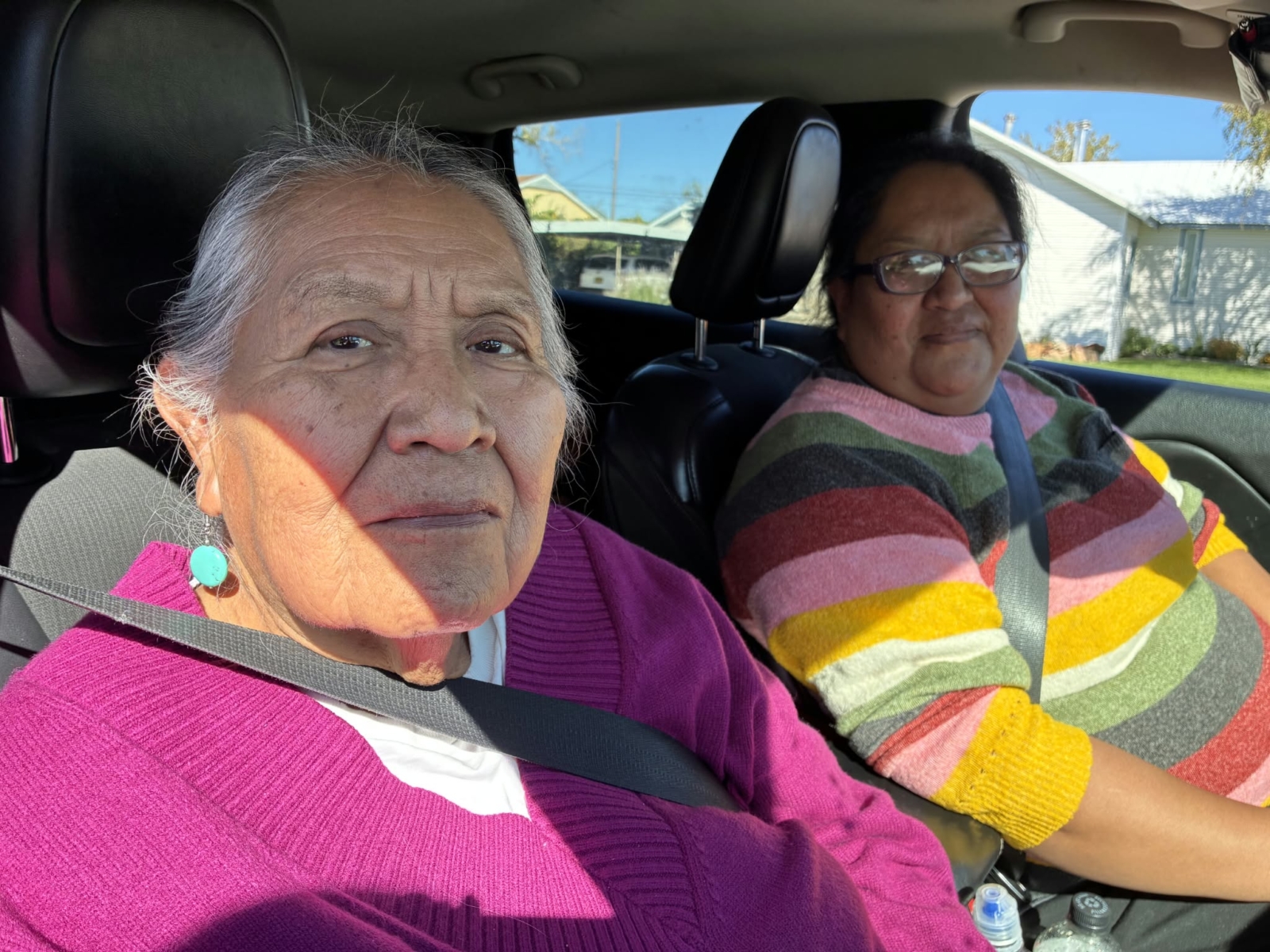
Family Leadership Conference
Elvira Dennison, October 2, 2026
The Family Leadership Conference, hosted by Parents Reaching Out at San Juan College in Farmington, New Mexico, began on a warm, sunny day. I saw many friendly, familiar faces I had not seen in a while. I had worked with other programs to connect rural parents and communities with resources.
At first, I thought the conference would offer more of the same useful information I had learned at previous sessions. But partway through the session on Individualized Education Program (IEP) information and recordkeeping, I realized I needed to revisit my own son’s situation. He was no longer attending a regular in-person public school; he was taking classes online. I had made that decision because of the academic and cognitive effects he experienced at school while managing his absence seizures.
I had used the resources I knew to help him get the support he needed, but a lack of services and teamwork meant the plan was not working. Emotional triggers and an overwhelming school environment were affecting him. After his new diagnosis, things changed, and the IEP planning I had done with the district and local school was no longer working.
During the session, I asked presenter Sacheen Begay from Parents Reaching Out whether students in online programs use the same IEP templates. She explained that they do if the online school is part of the state public school system, although only certain sections of the IEP apply to virtual students.
I wondered if I should have researched the program before enrolling my son. But I learned that his school was part of the New Mexico state public school system, and I felt relieved that I did not need to change his IEP. I had also kept good records of his school and health documents. Sacheen said Parents Reaching Out offers recordkeeping classes to the public upon request, and its website has on-demand training.
Years ago, I joined the Family Leadership Academy to learn how to advocate, become a leader, and support my son’s disability-related needs at home, at school, and in the health system. When training is offered for free, it can be a great resource for parents who want to learn how to advocate for their children. That academy was my first step toward becoming an advocate for children on the Navajo Nation.
The next presenters were Dawn A. Delfin and Kaity Ellis. Their session focused on Family Support Systems at the Public Education Department’s Office of Special Education. Only a handful of people attended, and I was amazed by how much they shared about the office’s history and purpose. The topics ranged from family and caregiver support to student support.
One important resource parents should know about is the dispute resolution process. The presenters gave the audience a quick reference guide for students with disabilities. I followed this process years ago when I had an issue concerning my daughter, and it was resolved in our favor. I was able to use what I had learned about the process and our rights.
Local Education Agency and district supports may also be available to help. The Office of Special Education has resources online and can be contacted with questions. Last year, I reached out to ask about my son’s needs at school, how to request accommodations, and where to begin. I was pleased with the information I received.
Working together to support my child’s academic success gave me options for where he could attend school. Online learning turned out to be the best choice for him. Through the trainings and conferences I attended, including my time on the New Mexico Public Education Department Secretary’s Community Advisory, I learned how to help guide the local special education system so it can better support students with disabilities. While serving on the advisory, it was important for me to understand my son’s procedural safeguards.
The next part of the conference brought news that alarmed me. I had not known that New Mexico was one of two states that did not participate in postsecondary education programs for college students with intellectual and developmental disabilities. These programs provide support to help students attend college. I would welcome an opportunity like this at Diné College, San Juan College, or Navajo Technical University. Imagine having an intellectual or developmental disability and being able to attend college and earn a degree. I know many students would take advantage of that opportunity.
Advocates are joining together to champion the need for postsecondary support services in New Mexico. Such a program could make a real difference for many students.
I enjoyed attending the conference this year. I gained new information and reconnected with people who came to share resources at their booths. It was heartwarming to see so many smiling faces calling out my name, asking how I was doing, and asking whether I was still working with Navajo Family Voices.
Resources
- Parents Reaching Out — Family support, training, and tools.
- Parents Reaching Out on-demand trainings and resources — Includes education and IEP trainings.
- New Mexico Public Education Department Special Education Parent Portal — Family resources, rights information, and dispute resolution guidance.
- NMPED Office of Special Education Resources — Training recordings and other special education resources.
- Dispute resolution options for students with disabilities — Quick reference guide.
- Navajo Nation Office of Special Education and Rehabilitation Services (NNOSERS) — Diné Education Center #205, Morgan Boulevard, P.O. Box 1420, Window Rock, AZ 86515. Toll-free: 1-866-341-9918; phone: 928-871-6338; fax: 928-871-7865.
- New Mexico Early Childhood Education and Care Department (ECECD) — Accessibility contact: Emily Stern, ECECD Accessibility Team, 505-470-1754. Relay users can dial 711.
- Native American Disability Law Center — Farmington office: 905 W Apache St, Farmington, NM 87401; 505-566-5880; .
- New Mexico Child Support Services Division — P.O. Box 2348, Santa Fe, NM 87504; customer service: 1-800-283-4465.
- Bídií Baby Foods — 505-860-2962; .