Listening to Our Young Scholars
Gloria Dennison, October 16, 2026
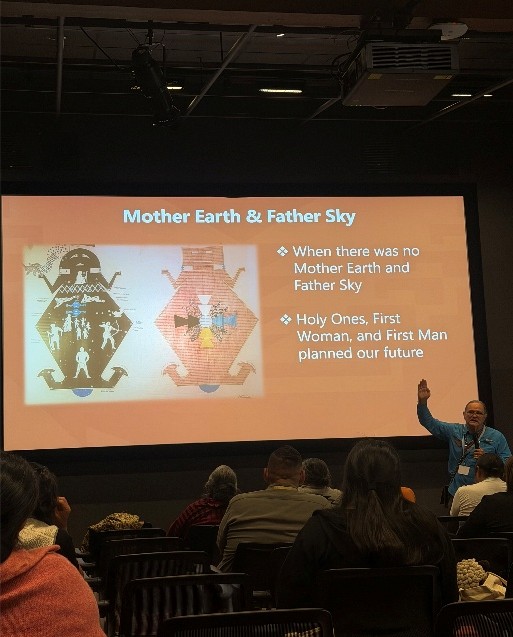
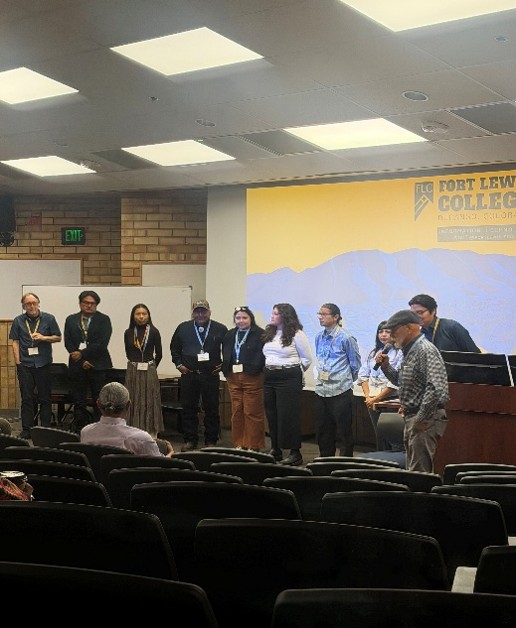
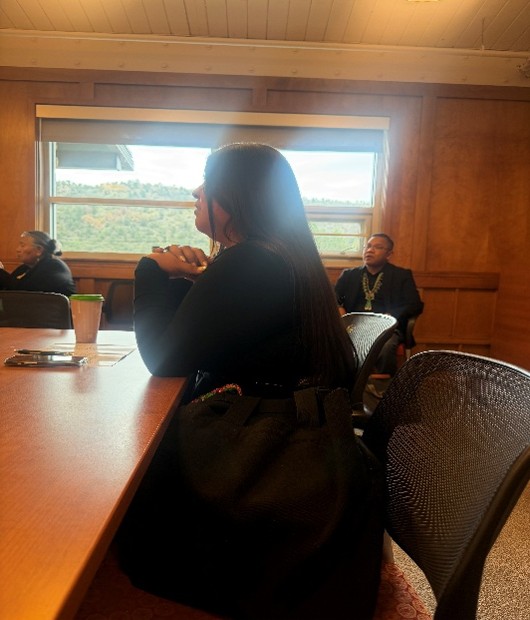
I attended the 24th Diné Studies Conference, titled “HÁÁLÉÉ BEE NÁNÍS’DZÁ—Pathway Back to the Homeland” with Plenary Session Hodeeyáádáá’ Hanáá Diists’áá’. Organizations addressing shared Navajo Nation concerns presented research findings and helped participants better understand the challenges currently facing Diné communities.
My thoughts about listening to our young scholars are that they are beginning to bring forth issues by providing various research analogies and still attempting to find a pathway to reconnecting Diné Youth, reclaiming history, and restoring the land.
The conference title, “By, For, Within,” was a youth-led grassroots movement opposing colonial development practices on the Navajo Nation. Its interactive discussion, “A Dine Youth Returns to the Homeland,” could not reach its central issues or allow time for comments because each session was limited to one hour.
Several presentations addressed land issues, including “Our Land Remembers – Awakening Dine Bikeyah,” a discussion for conference participants.
A Diné filmmaker witnesses her homeland and documents her people’s generations-long struggle for survival on Navajo Land historically exploited by outside powers. Today, the land, water, and people face renewed threats posed by proposed uranium projects. Indigenous protectors and their communities remain committed to resisting extraction, restoring the land’s sacredness, safeguarding future generations’ health, and persevering in their way of life.
The efforts drawing on political experience in Diné Bi Beenahaz’áanii to bridge generations through shared stewardship of Diné lands remain to be resolved.
Grassroots organizations made information about their findings available on their websites.
Attending this conference, my observation is that younger generations recognize the challenges facing the Navajo Nation, yet they are still working to find pathways to reconnect with elders for guidance and develop plans to protect the land and its status. Most of the presenters do not speak the Diné language except for the introduction of their clans and where they are from.
I am grateful to the program for the opportunity to participate. This experience showed me the importance of continuing to educate the public and building partnerships among organizations to create a greater impact for future generations.
Gloria Dennison