Chinle Kids Day Community Resource Event
Tara Lynn Tsosie
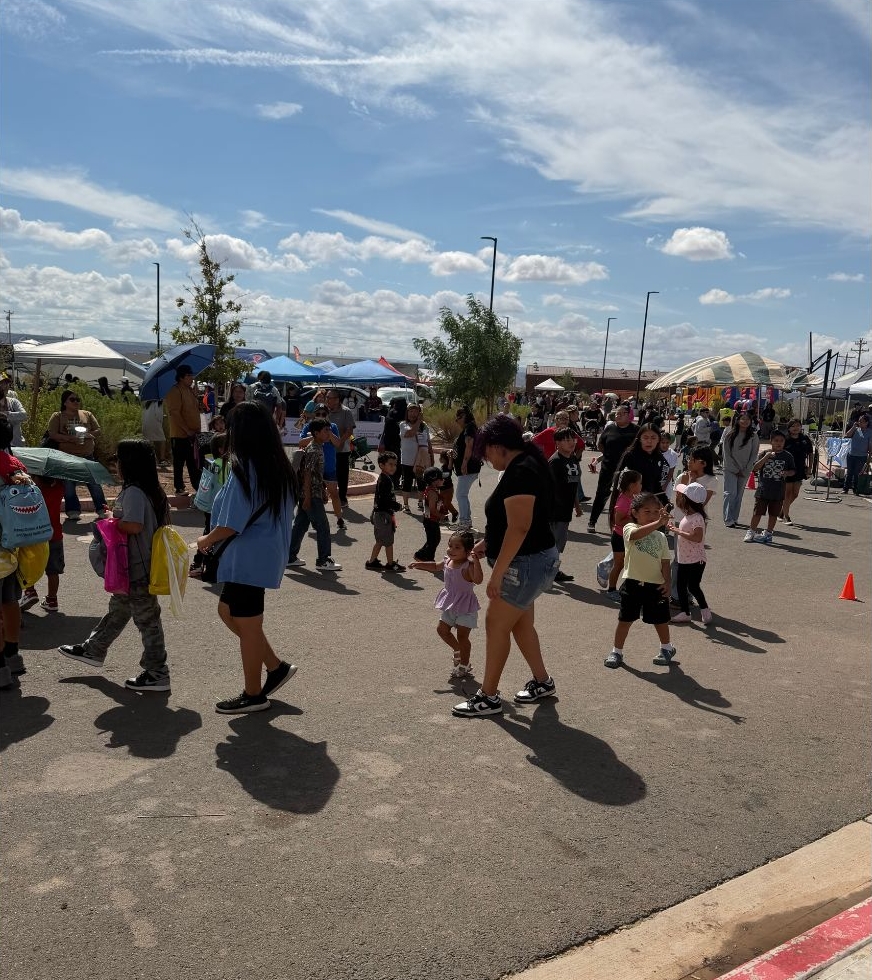
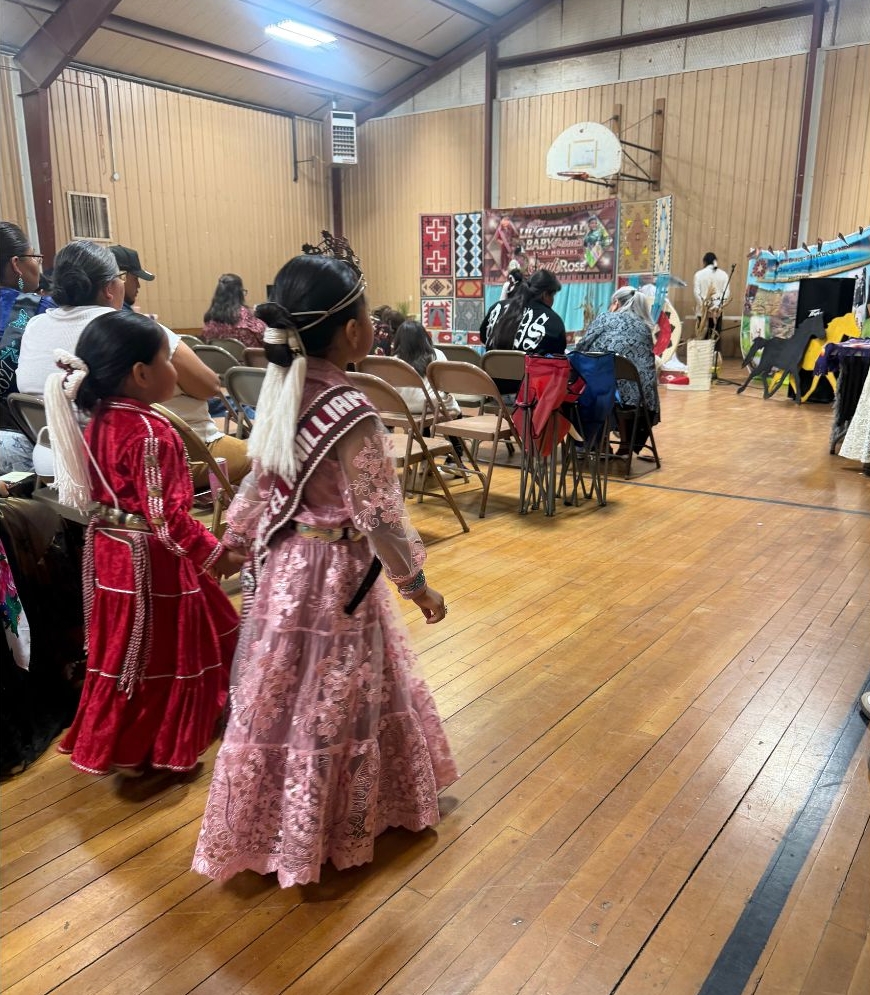
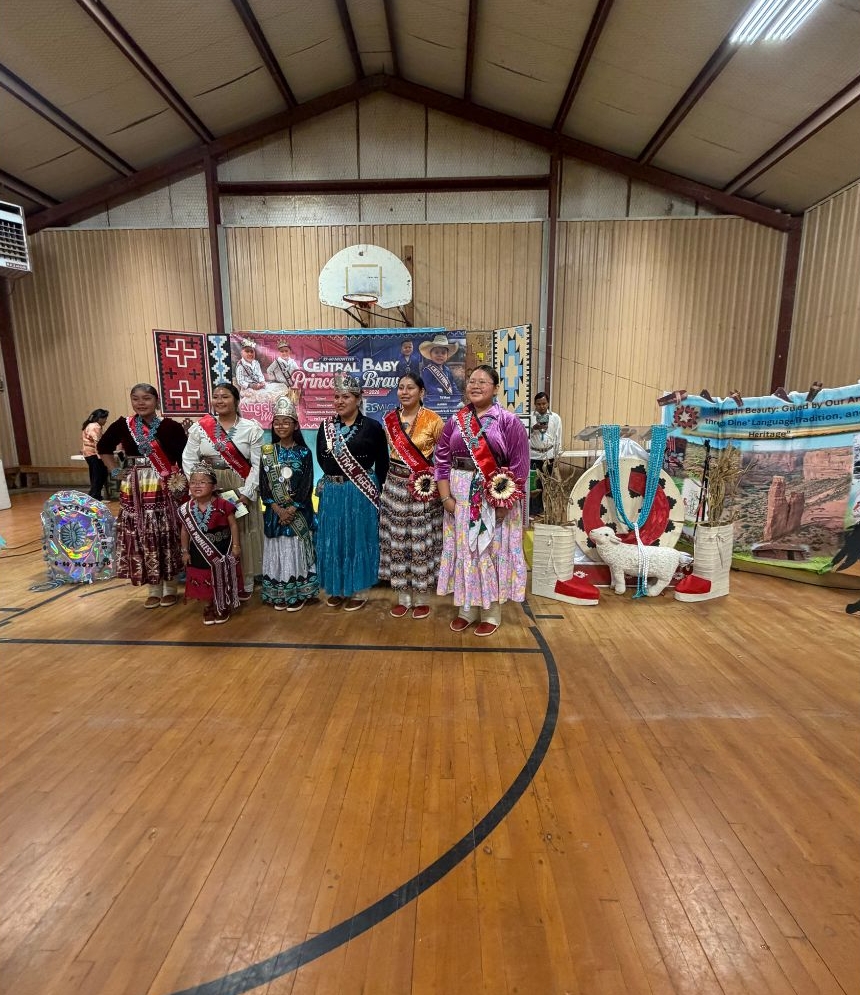
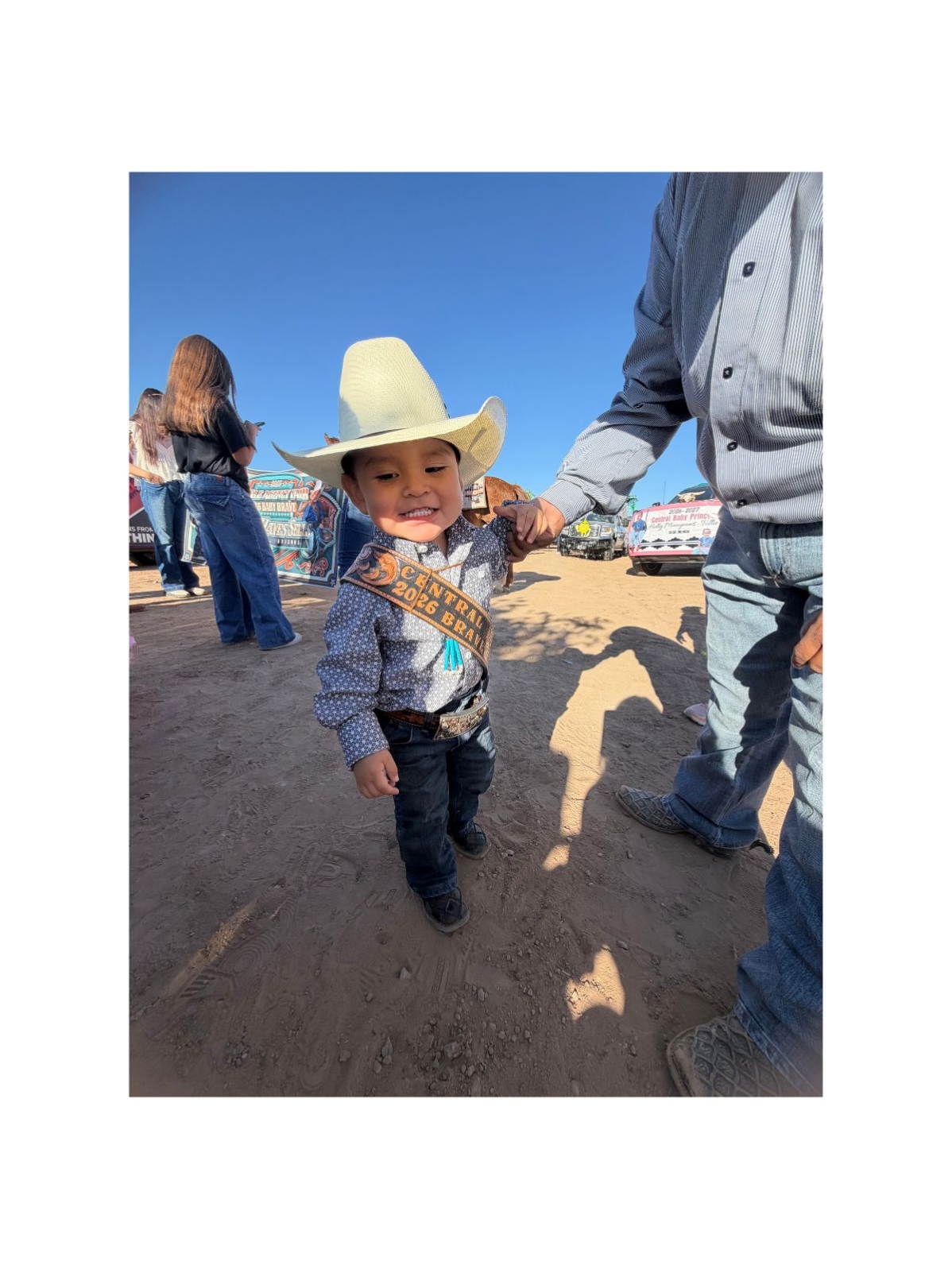
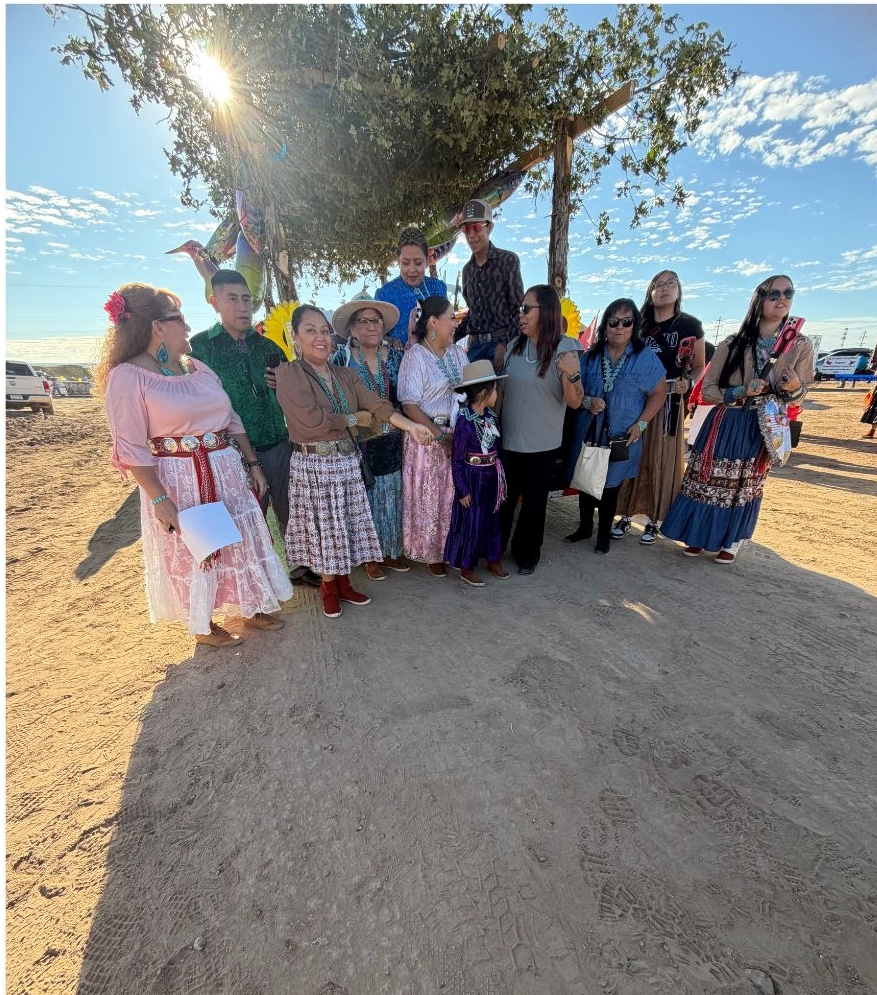
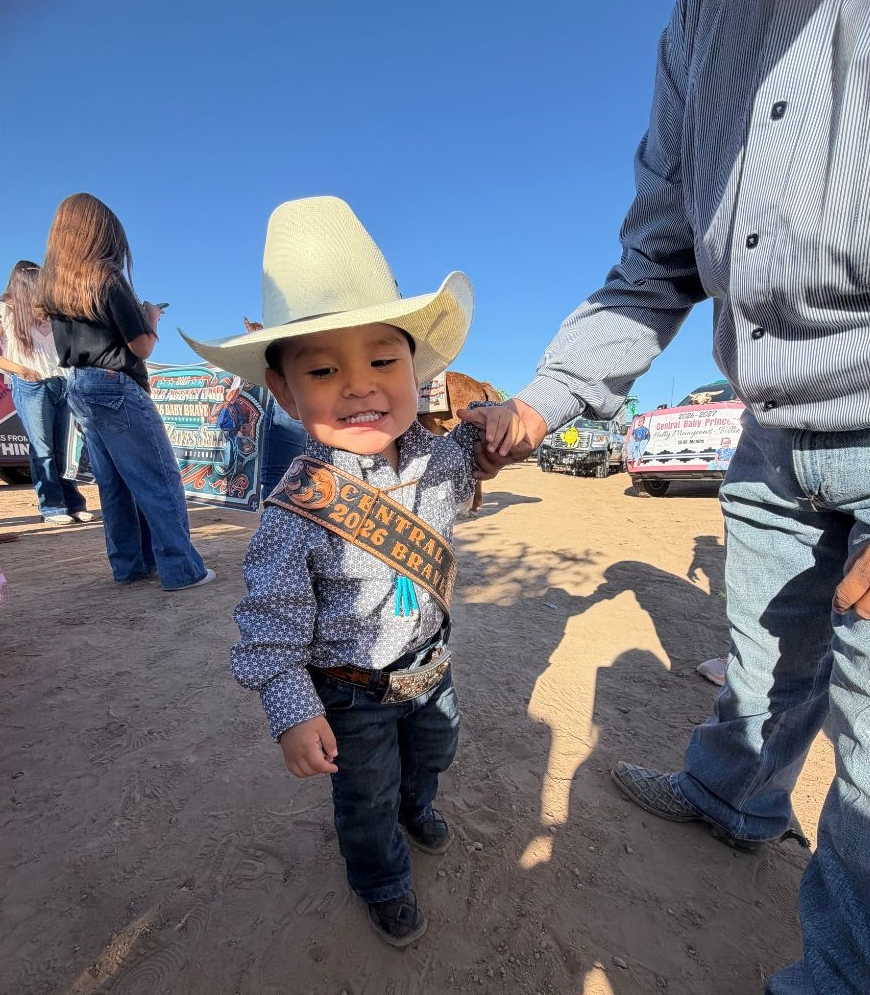
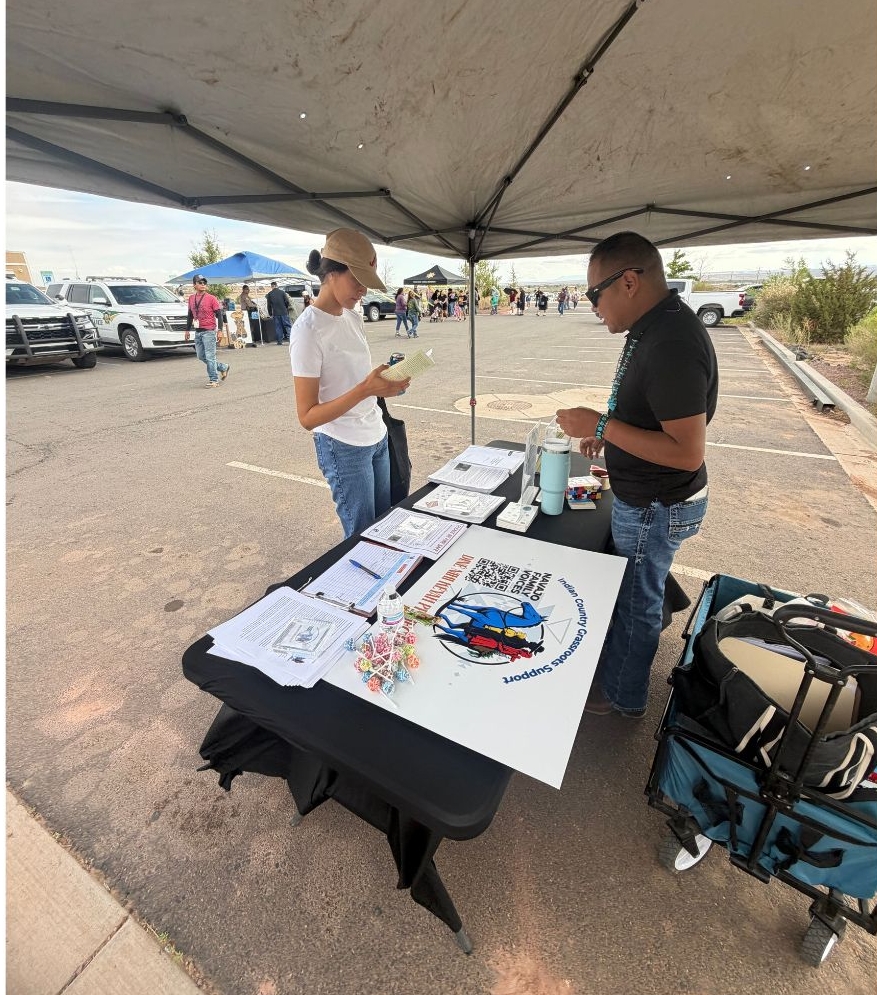
On August 13, 2026, I participated in Chinle Kids Day through Navajo Family Voices (NFV), an event that brought children, parents, families, and community organizations together for a day of activities, connection, and support. The event created a welcoming environment where children could enjoy themselves while families had the opportunity to learn about programs and services available within their community.
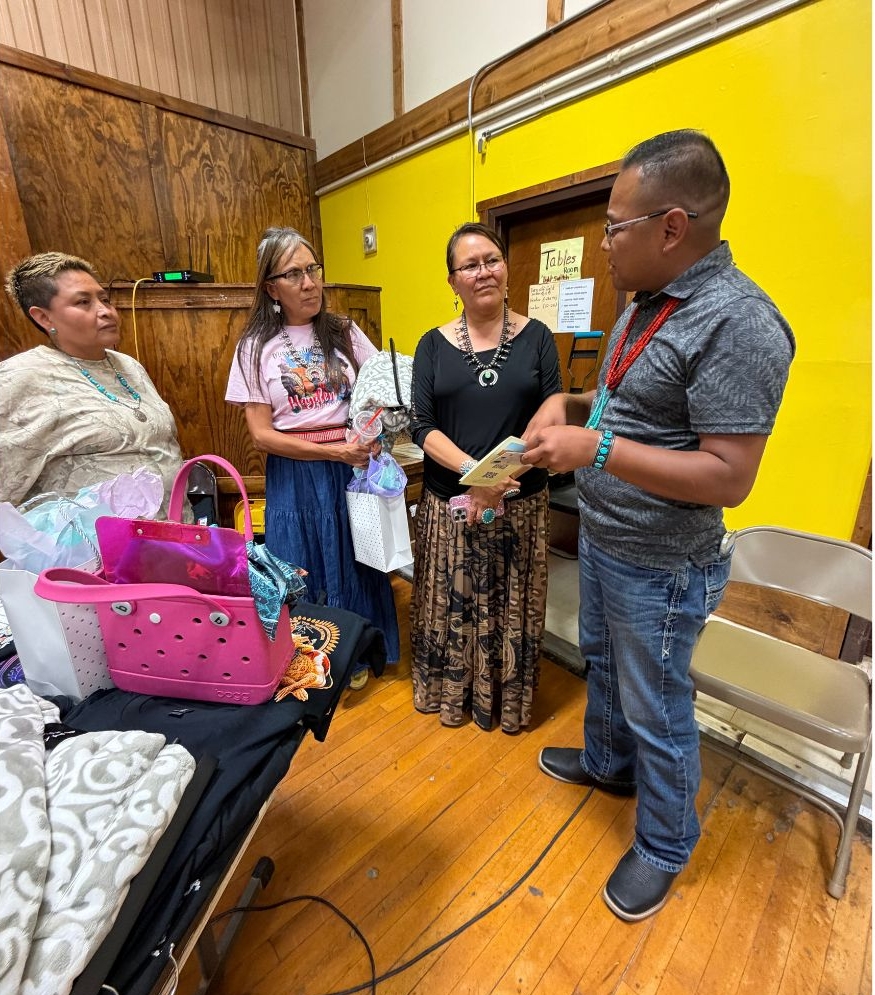
For me, Chinle Kids Day was a reminder of how much can happen when a community comes together for its children. The event was filled with different organizations, programs, and people who were there to share what they offer. While the children enjoyed the activities, parents and caregivers could walk around, speak with different representatives, and pick up information that may be useful to their families.
The resources represented at the event covered many areas of family life. There were programs focused on healthcare, behavioral health, nutrition, early childhood development, education, employment, financial assistance, and family services. Having such a variety of programs together gave families the chance to learn about resources they may not have encountered otherwise.
Healthcare and wellness were important parts of the event. Chinle Dental IHS provided families with information about dental care and oral health services. Good oral health is especially important for children, and having dental resources available at a children’s event gives parents an opportunity to learn more about services available to them.
The Navajo Division of Behavioral & Mental Health Services was also present. Mental and behavioral health are important for children and adults, and families may sometimes need help finding the right type of support. Having representatives available allowed community members to ask questions and learn more about available services.
The Navajo Nation Special Diabetes Program provided another health-related resource. Diabetes is an important health concern in our communities, so providing information about diabetes, prevention, and healthy choices is an important part of community education.
The Navajo Health Education Program and Clinical and Community Nutrition – IHS also provided health and nutrition information. These resources are especially relevant for families because the choices children develop at a young age can influence their health as they grow. Parents and caregivers were able to learn more about nutrition and ways to support healthier lifestyles at home.
The Chinle Community Health Representatives (CHR) were also represented. Community health representatives can help connect individuals and families with healthcare and other services, making them an important resource for people who may need additional assistance navigating available programs.
There was also a strong focus on young children and family development. Navajo Head Start and the Navajo Early Childhood Programs provided information about services for young children and their caregivers. Early childhood support can be especially valuable to parents who are looking for educational and developmental opportunities for their children.
The Navajo Nation WIC Program was another resource available to families. WIC provides nutrition-related support for eligible mothers, infants, and young children. This was another resource that connected directly with the health and well-being of children and families.
Family assistance programs were also represented. The Division of Children and Family Services – Financial Assistance Unit provided information for families who may need financial support. The Division of Children and Family Services – Social Services was also available to provide information and assistance to families dealing with different needs or circumstances.
Education and career opportunities were another part of the event. Diné College and Navajo Technical University gave youth and families an opportunity to learn more about higher education and training. It was encouraging to see educational institutions included in a children’s event because it introduces young people to possibilities they may consider as they get older.
The Navajo Department of Workforce Development and the Department for Self Reliance also provided information about employment, training, education, and other opportunities that can help individuals work toward their personal and career goals.
The Navajo Nation Breast and Cervical Cancer Program was another important resource. Having women’s health information available in the community can help increase awareness about preventive care and encourage women to learn more about available health services.
Looking at all of the resources together made me realize how many different services are available to Navajo families. Sometimes the hardest part is not that resources do not exist, but knowing where to start or who to contact. Having representatives available in one place gave families an easier way to begin those conversations.
I also enjoyed seeing the interaction between the children, parents, and the organizations at the event. Kids Day created a relaxed setting where people could stop by a booth, talk with someone, or simply take information with them. Those small interactions can be meaningful because they may give someone the information they need at a later time.
Another thing I appreciated was that the event was centered around children. When children have positive experiences in their community, it helps create a sense of belonging. Events like this give them an opportunity to have fun, interact with others, and see different people and organizations working together for their community.
As someone working with Navajo Family Voices, I value opportunities like Chinle Kids Day because they allow us to be present in the community and learn more about the resources available to families. It also gives us an opportunity to see what types of information families may need and what organizations are available to help meet those needs.
Chinle Kids Day was a positive experience for me because it combined community, family, health, and opportunities for children in one event. I appreciated being able to take part in a day where families could enjoy themselves while also having access to information that could be useful to them.
The event also reminded me that there are many people and organizations working to support Navajo families in different ways. From healthcare and nutrition to education, child care, employment, and family services, each program plays a role in helping strengthen our communities.
I am thankful that Navajo Family Voices was able to be part of Chinle Kids Day and contribute to an event that focused on the children and families of the Chinle community. Being involved gave me a chance to see the value of these community connections firsthand and reminded me why sharing information about available resources is an important part of the work we do.
Chinle Dental – IHS
Phone: (928) 674-7152 ext. 7153
Navajo Division of Behavioral & Mental Health Services
Phone: (928) 674-2111 / 2112
Email:
Navajo Nation Special Diabetes Program
Phone: (928) 871-6532
Email:
Navajo Health Education Program and Clinical and Community Nutrition – IHS
Phone: (928) 871-6601
Email:
Chinle Community Health Representatives (CHR)
Phone: (928) 674-2285
Email:
Navajo Department of Child Care & Development
Phone: (928) 871-6629
Email:
Navajo Nation WIC Program
Phone: (928) 871-6698
Email:
Family Assistance Programs
Phone: (928) 674-2039
Email:
Navajo Department of Workforce Development and Department for Self-Reliance
Phone: (866) 347-2403
Email:
Navajo Nation Breast and Cervical Cancer Program
Phone: (928) 871-6348
Email: