Parents Reaching Out Conference in Albuquerque
Tara Lynn Tsosie
Reflection and Community Resources
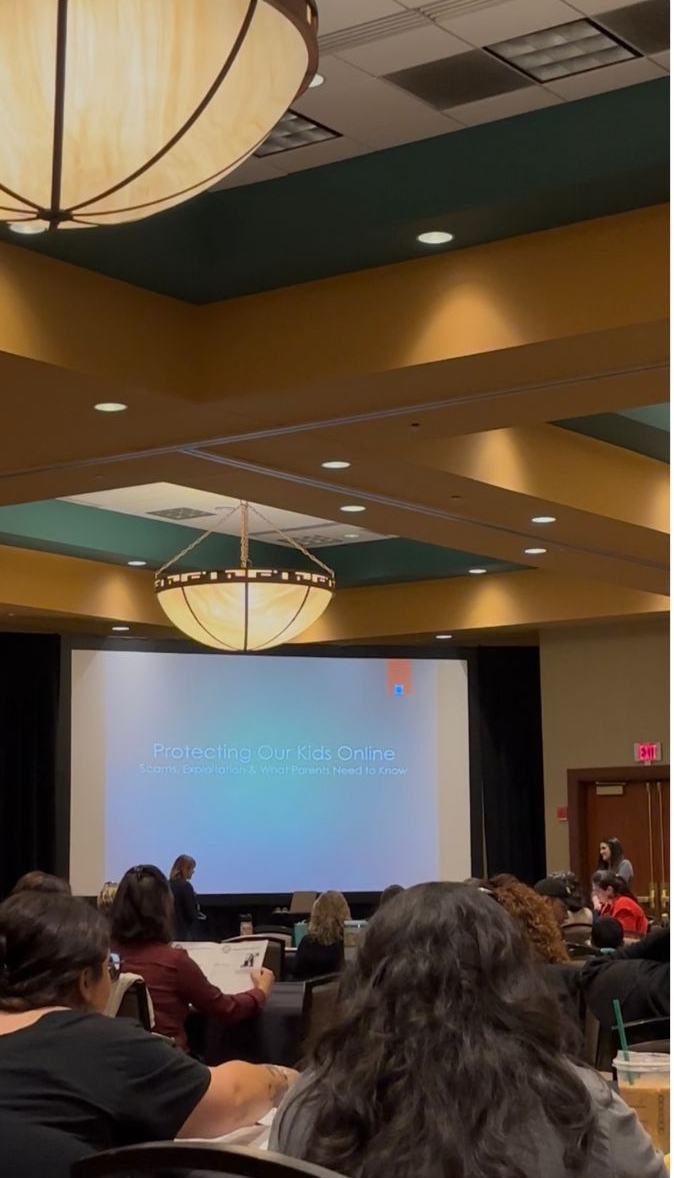
When I first prepared for the PRO conference on May 1, 2026, I felt very nervous and scared. It was my first time speaking publicly about patient and provider care, and I was not sure what to expect. I knew that I wanted to share something meaningful, but I was worried about standing in front of people and telling a personal story. Ray was also preparing for his presentation, which focused on identity and the importance of helping young people understand who they are. Even though we had different topics, we were both sharing experiences that came from our lives and communities.
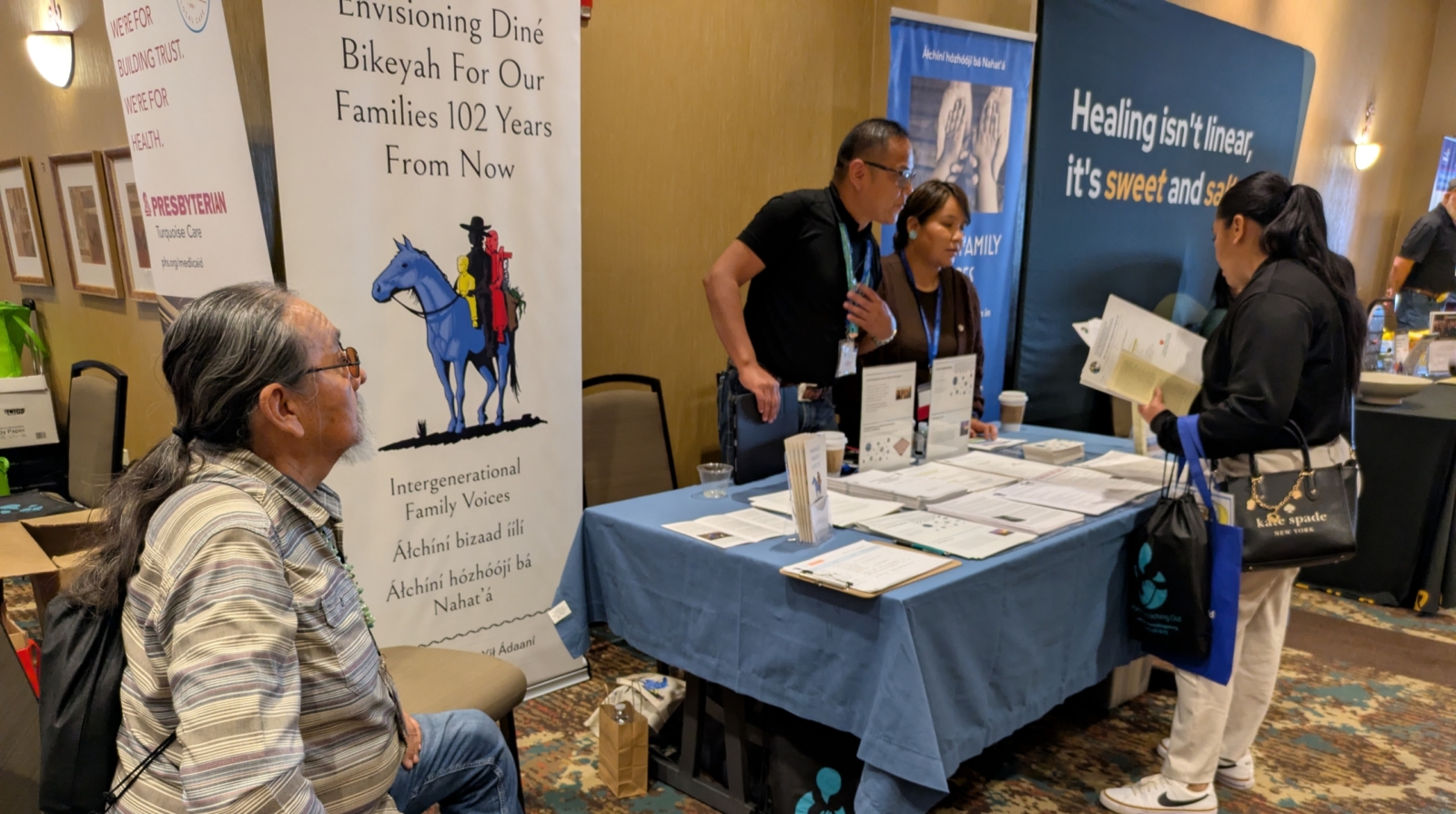
As the conference began, I started to feel more comfortable. The people there were welcoming, and I connected with many of the presenters and attendees. It helped me realize that I was not the only person who cared about the barriers Native families face. There were many people in the room who wanted to learn, listen, and make a difference.
Ray’s presentation focused on identity, especially what it means to identify as Native American. He spoke about how important it is to teach young students about their culture, their background, and the strengths they carry. This stood out to me because many young people are still trying to understand who they are. They may be balancing school, family expectations, friendships, and the pressure to fit in. They need to know that their language, culture, family history, and personal experiences are important.
Ray shared that identity is personal. No one else should decide who a person is or make them feel ashamed of the parts of themselves that matter most. Young people need adults, teachers, and community members who will listen to them and encourage them to be proud of who they are. Ray invited the audience to ask questions and share their thoughts. Although there were not many questions, it was still meaningful for him to speak openly about a topic that is not always discussed enough.
For my presentation, I spoke about patient and provider care and the barriers that families can face while living on the reservation. This topic is personal to me because I have seen how hard it can be for my mom to communicate with doctors. My mom is very traditional and speaks mostly Navajo. Because of that, medical appointments can sometimes feel uncomfortable or difficult for her. It is not always easy to explain health concerns when there is a language barrier or when a patient does not feel connected to their provider.
One thing I have learned from my mom is that trust makes a major difference in health care. She becomes more comfortable when doctors make an effort to connect with her. Something as simple as learning a few Navajo words, asking about her day, or taking time to listen can help her feel respected. These may seem like small actions, but they can make a patient feel safe enough to ask questions, explain their concerns, and take part in their own care.
I wanted people to understand that health care is not only about medicine, appointments, or diagnoses. It is also about relationships. Patients need to feel that they are being treated as people, not just as another appointment on a schedule. For Native patients and families living in rural communities, being understood culturally and linguistically can make a big difference. Providers do not need to know everything about every culture, but they should be willing to listen, learn, and treat people with respect.
Another part of the conference that was meaningful to me was seeing how welcoming the environment was for everyone. Ray wanted his wife to feel comfortable and included throughout the conference. The PRO conference team was kind, respectful, and accommodating, and they helped her feel that she belonged. By the end of the conference, she felt more at ease and enjoyed being part of the event. She especially appreciated how accommodating the hotel was. Seeing that reminded me that small acts of kindness and inclusion can make a big difference.
Even though Ray and I spoke about different topics, our presentations connected in many ways. Ray spoke about the need for young people to understand and feel proud of their identity. I spoke about the need for patients and families to feel respected and understood when they seek care. Both conversations came back to the same idea: people need to feel seen. Whether someone is a student learning about their culture, a patient trying to communicate with a doctor, or a family member looking for support, they deserve compassion, respect, and understanding.
By the end of the conference, I was grateful that I had participated. I left feeling more confident about speaking publicly and sharing the experiences that families on the reservation face. I was also proud of Ray for sharing his message about identity, culture, and teaching young people. The conference reminded me that personal stories have value. When people are willing to share honestly, it can help others understand, learn, and create better support for the people in their communities.
Community Resources
The following resources may be helpful for New Mexico families, providers, and community members. Click an organization name to visit its website.
Mandy’s Farm
Phone: (505) 503-1141
Email:
VISIONS
Phone: (505) 986-9819
Email:
Treetop ABA Therapy
Phone: (505) 317-1166
Email:
Relay New Mexico
Phone: (800) 659-1779
Email:
Dulce Salado
Phone: (505) 585-5024
Email:
EPICS
Phone: (505) 827-7946 or (800) 832-1321
Email:
Developmental Disabilities Supports Division (DDSD)
Phone: (800) 283-4465
Email:
New Mexico Commission for the Blind
Phone: (505) 327-3031
Email:
New Mexico Association for Infant Mental Health
Phone: (505) 331-7138
Email:
New Mexico Early Childhood Education and Care Department (NM ECECD)
Phone: (800) 832-1321
Email:
Parents Reaching Out
Phone: (505) 247-0192
Email:
New Mexico Public Education Department
Phone: (505) 827-5800
Email: