
Community Advisory – Flood Contamination Safety
Nov 4, 2026
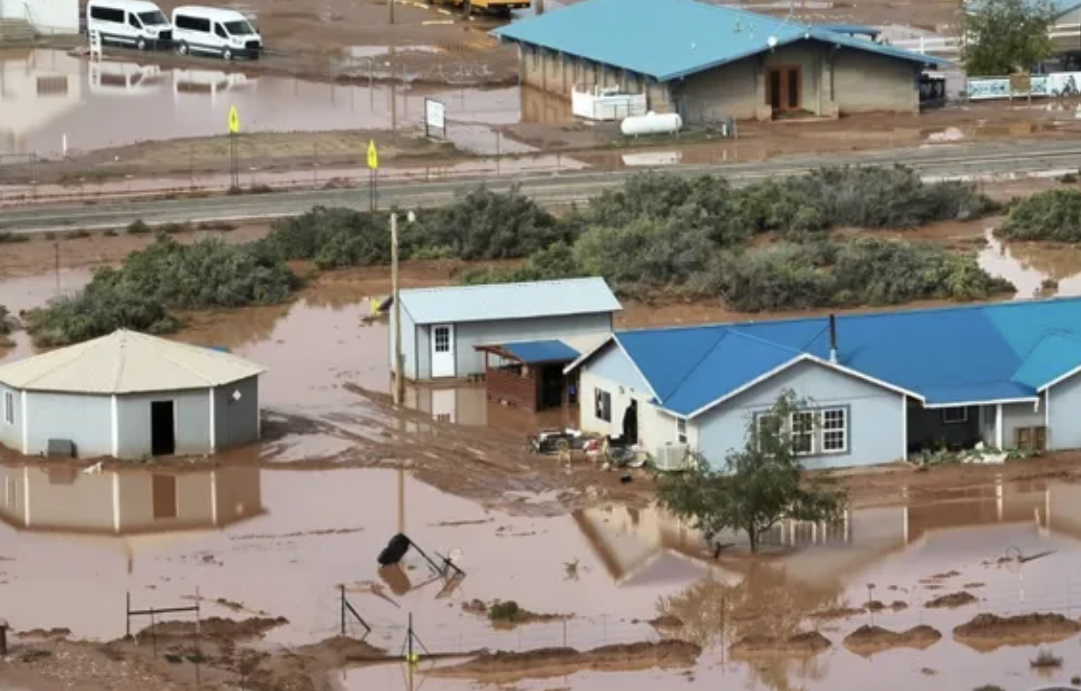
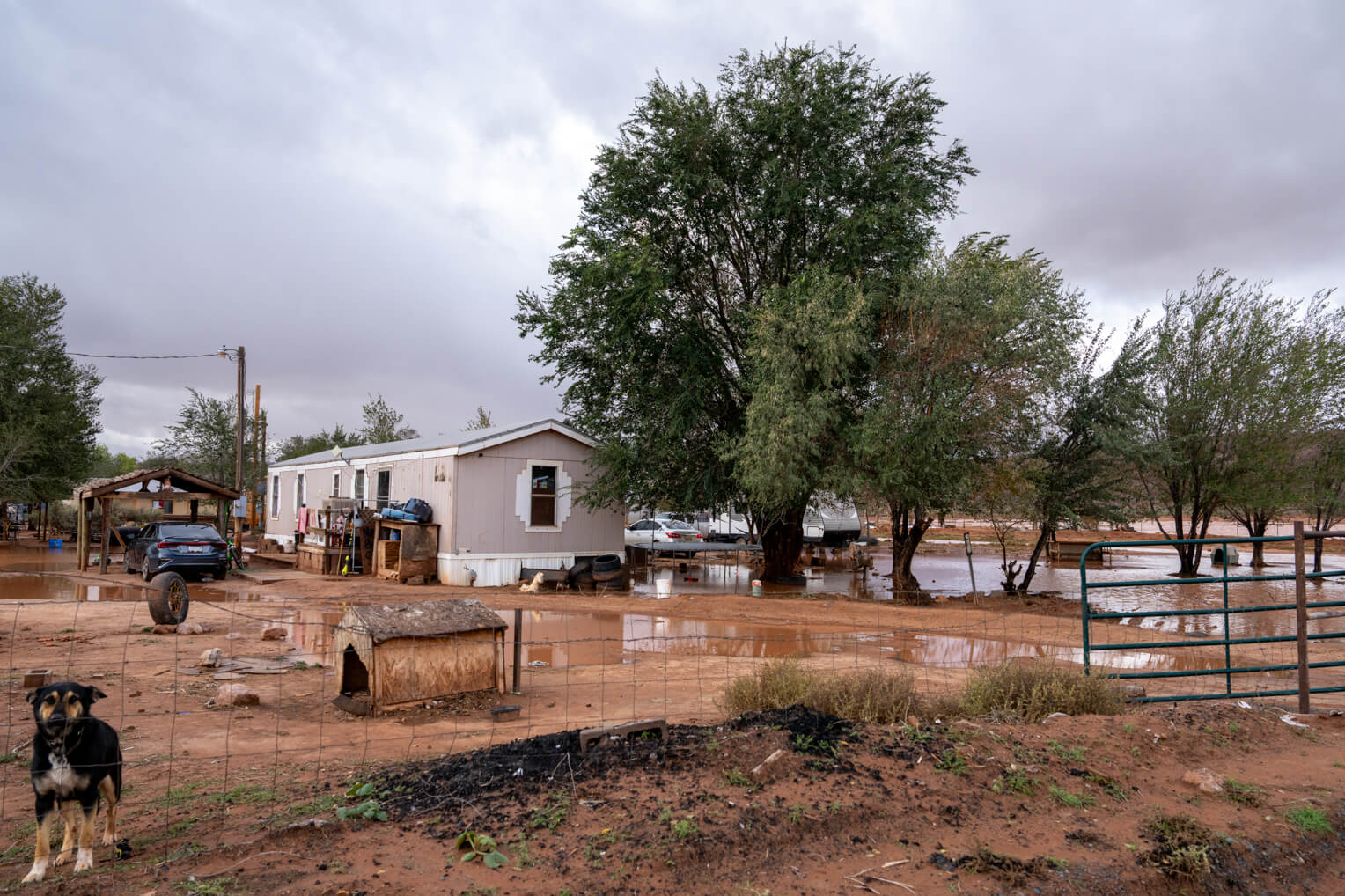
As floodwaters recede across San Juan County and the Navajo Nation, we need to talk openly about what was left behind in the mud, soil, and river water.
While public announcements are heavily focused on raw sewage—including wastewater facility breaches near Bloomfield and Shiprock, as well as power-related overflows in Kayenta—families along the San Juan River face a much broader combination of environmental hazards. San Juan County emergency officials explicitly designated the San Juan River near Bloomfield a “hazmat situation,” warning that the floodwaters contain a dangerous mix of raw sewage, industrial runoff, fuels, oilfield production water, and agricultural pesticides. So the issues begin well upriver.
Upstream Chemical Disturbances:
Just west of Bloomfield sits the Lee Acres Landfill Superfund site which is adjacent to the river and sits on shallow aquifers that are continually monitored. While groundwater contamination there was previously monitored underground, extreme flooding and rising water tables saturate soils and can remobilize historical industrial chemicals (solvents like TCE, PCE, and heavy metals) into surface mud and shallow groundwater. County officials are likely waiting for results of well testing and home-by-home testing (before residents are allowed to go home to the Lee Acres housing subdivision) before they will even mention the Superfund landfill. There is also a jurisdictional issue. The Lee Acres Landfill is BLM-managed. The County, NMDOH, and EPA I understand are all doing the well and house-to-house testing with families not yet allowed home. Please do not go in to assist independently.
There are numerous neglected and abandoned mines across our area which are unmonitored with no responsible party, including 15,000 such mines in New Mexico–of these, 172 are in San Juan County. See NM Environment Dept., Neglected Contaminated Sites.
The Cove/Lukachukai Area contains roughly 32 abandoned Tronox uraniu mines. Runoff from these mountains flows directly into tributaries of the San Juan River Basin, posing long-term watershed contamination risks. The Grants Mining District / San Juan Basin northeast of Gallup, NM, generated over 1.3 million tons of uranium ore and left heavily contaminated wastewater ponds and rock piles. Section 32 and 33 Mines near Prewitt, NM, in the San Juan Basin. Following years of waste consolidation, the EPA issued a final action plan to excavate roughly 70,000 cubic yards of radioactive waste and permanently transport it offsite to the Red Rocks Landfill.
While raw sewage poses an immediate threat of severe biological illness (stomach bugs, skin infections, respiratory distress), chemical contaminants and industrial runoffs pose long-term health risks—especially for children, elders, and anyone spending extended time clearing mud or working in flooded areas.
Tse Daa Kaan, Shiprock & Downriver Risk: Because our communities sit downriver from major municipal, agricultural, and industrial sites, the silt and mud deposited on riverbanks, yards, and pastures must be treated as hazardous.
Key Flood Safety & Health Directives
Avoid Floodwaters & Contact: Do not walk, swim, wade, or drive through flooded roads, low-water crossings, or the San Juan River. Sewage line and lagoon breaks (such as in Montezuma Creek, Utah, and Shiprock, New Mexico) have caused high E. coli and bacterial contamination far exceeding safety standards.
Protect Livestock & Homes: Prevent livestock from drinking contaminated floodwaters, and avoid bringing flood mud or contaminated water into your home. Wash thoroughly with soap and clean water immediately after any contact.
Please make sure kids do not play in receded mud, riverbanks, or standing puddles.
If a family member must clean up mud in yards, corrals, or homes, never use bare hands or normal shoes. Wear waterproof rubber boots/waders, heavy-duty rubber gloves, and protective eyewear or face shields to prevent mud from splashing into eyes or mouth.
If anyone suffers a puncture wound or cut while working around flood debris or mud, seek medical attention immediately at a local clinic.
Decontamination at Home
Strip off mud-covered boots and work clothes before stepping inside your home to avoid tracking contaminated dust and silt into living areas.
Wash hands and exposed skin thoroughly with clean water and soap immediately after touching any flood-impacted gear or soil.
Do not consume livestock feed, garden vegetables, or crops that came into direct contact with floodwaters or mud.