Even the Animals Were Different
Tsé Daa’ Kaan, NM
When I was growing up, we had to fend for ourselves. Our family had livestock sheep and cattle, and we took care of them the right way. We didn’t leave them in one place. In the winter, we brought them close to home. In the summer, we herded them up near the mesas where the grass was better. That was part of taking care of the land.
We didn’t have vehicles back then, only horses and wagons. In the summer, we hauled firewood to prepare for winter. We lived together in one hogan, all of us in one room. There were no phones, no TV. We woke up early every day and stayed busy. There was always something to do.
We didn’t talk about “health” the way people do now but we were healthy. We were always moving, always working outside. We ate what we grew, what we gathered, and what we hunted sheep, deer, rabbits. Everything was prepared from scratch. We knew where our food came from. We even stored it ourselves, using cellars to keep meat from spoiling. There was no junk food back then.
Back then, we didn’t really hear about sickness the way we do now. People didn’t talk about diabetes or high blood pressure. That started to change later, around the 1980s and 1990s. That’s when I began to see more people getting sick.
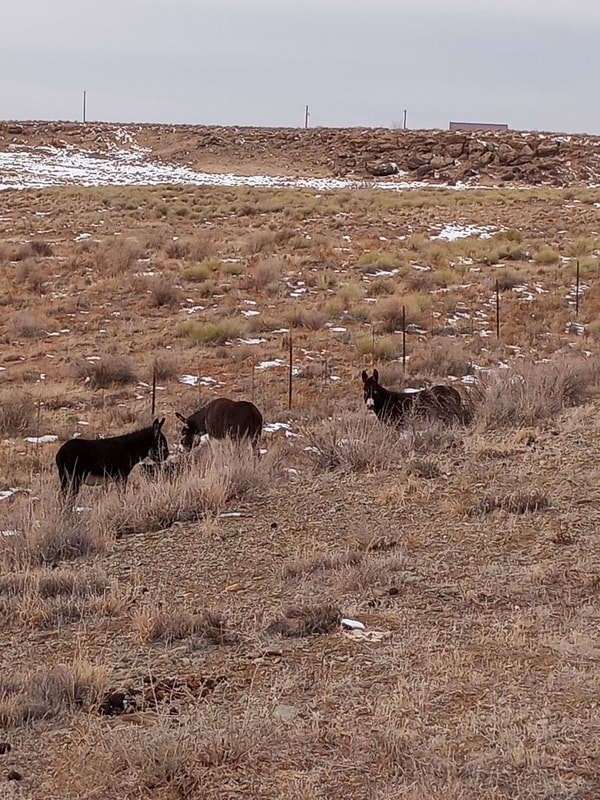
Even the animals were different. We didn’t hear about diseases like we do today. We lived close to the land, and we understood how to use what it provided.
I remember the Shiprock Fair too. It wasn’t just for fun, it was where people came together to trade. Families brought what they grew and shared with each other. Shiprock used to be known for farming. That’s how we supported one another.
Now things are different. Life is easier, but that ease has changed us. Our children and grandchildren don’t have to move the same way. Technology keeps them inside. Food is ready-made. People don’t always know where it comes from anymore.
And that’s where I see the change in our physical health, in our mental health, and in how families function.
Back then, we were taught to take care of ourselves, each other, and the land. That’s what kept us strong.
That’s something we need to remember.
— Louise Peter, May 2026, Tsé Daa’ Kaan, NM